
What GAF Master Elite Certification Actually Means
Master Elite is GAF's highest contractor tier. It's not a participation badge.
To qualify, contractors must meet annual performance thresholds, maintain specific insurance levels, demonstrate consumer satisfaction, and commit to ongoing training. GAF audits these requirements yearly. Fail to meet them, and you lose the designation.
The certification grants contractors access to GAF's most comprehensive warranty packages, which they can then offer to you. Standard GAF contractors can install the same shingles, but they can't extend the warranty coverage a Master Elite contractor can.
That difference becomes critical when you're filing a claim 8 years down the road after a June hailstorm splits a ridge cap.
In Colorado, where the average roof lifespan is 25-30% shorter than national estimates due to UV exposure at 5,280+ feet and freeze-thaw cycling, warranty depth isn't abstract. It's the difference between a $4,200 repair bill and a manufacturer-covered replacement.
The Five Core Requirements
GAF requires Master Elite contractors to meet these benchmarks annually:
- Proper licensing and insurance: General liability of at least $1 million, workers' compensation coverage (if employees are on payroll), and compliance with local municipal licensing. In Denver, that means registration with the city's Business Licensing Center. In Colorado Springs, it's a contractor license through the Planning and Development Department.
- Proven track record: Contractors must show consistent GAF product installation volume and maintain a complaint-free record with the Better Business Bureau.
- Ongoing education: Annual training on updated installation techniques, new product lines, and warranty administration. GAF requires Master Elite contractors to stay current on Lifetime Roofing System installation protocols.
- Consumer protection: Participation in the GAF Consumer Protection Program, which includes third-party mediation for disputes. This is particularly relevant in Colorado, where storm-chaser contractors often vanish post-installation.
- Financial stability: GAF runs credit checks and reviews financial health to ensure contractors can fulfill multi-year warranty obligations.
Standard GAF contractors might meet some of these criteria, but not all five simultaneously.
The certification isn't a one-time achievement. It's renewed annually based on performance.
The Warranty Coverage Gap Between Master Elite and Standard Contractors
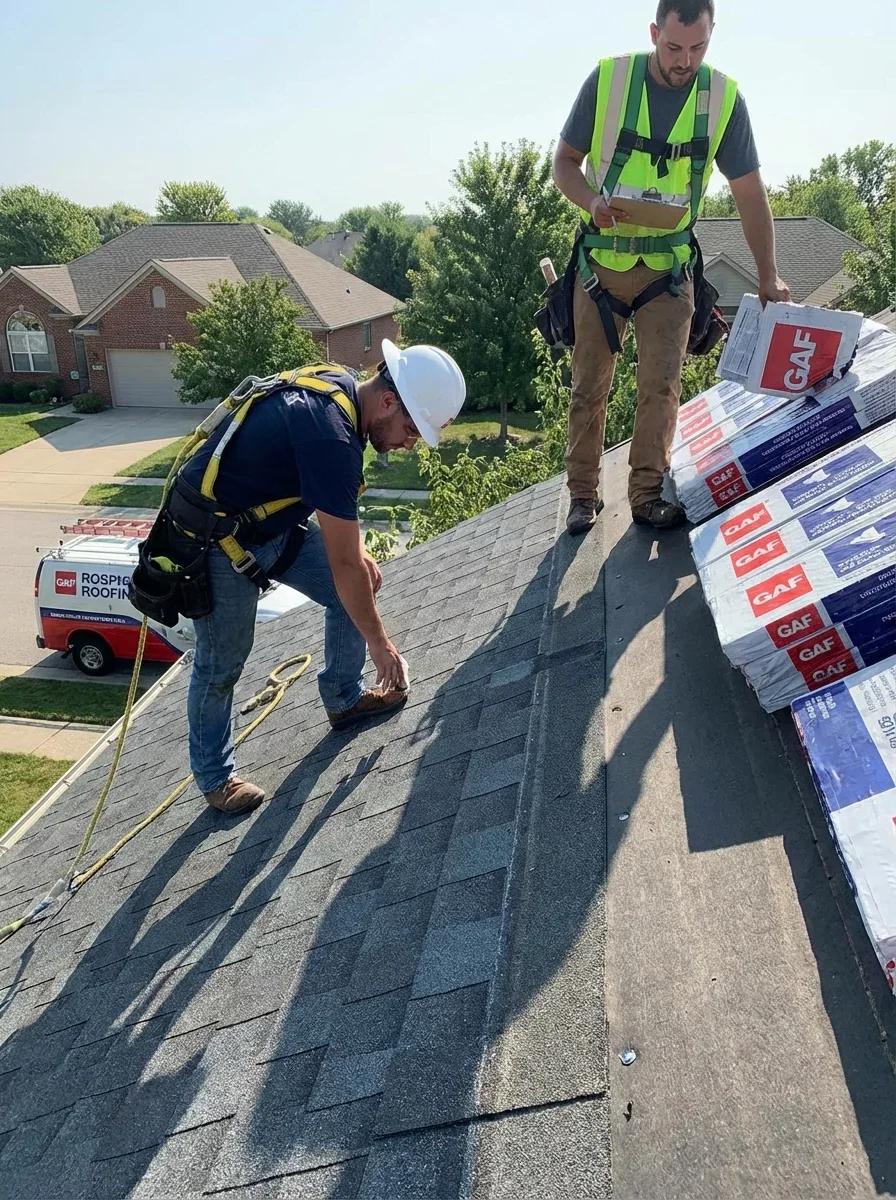
Here's where the rubber meets the roof deck.
Master Elite contractors can offer GAF's System Plus Limited Warranty and the Silver Pledge Limited Warranty, which standard contractors cannot. These aren't incremental upgrades. They're fundamentally different coverage structures.
What You Get With Master Elite Warranties
The System Plus warranty covers workmanship for 25 years, not just materials, but the installation itself. If your valley flashing fails in year 12 because the contractor didn't integrate the underlayment correctly, GAF covers the repair.
Standard GAF warranties typically cover materials only, leaving you to prove (and pay for) workmanship failures separately.
The Silver Pledge warranty goes further: it covers material defects, workmanship, and even permits non-prorated tear-off and disposal costs for the first 50 years. In a market where roof replacement costs in Colorado average $14,000-$22,000 for architectural shingles, that's a meaningful financial shield.
Colorado's hail frequency makes this coverage especially relevant. When a July storm drops golf-ball-sized hail across Arapahoe County and you file a claim 18 months later for progressive granule loss, the warranty administrator will ask: was this installed by a Master Elite contractor under a System Plus warranty?
If yes, the claim moves forward. If no, you're likely paying out-of-pocket for a re-roof.
Standard contractors can still install excellent roofs using GAF materials. But they can't transfer the same warranty protection, even if they charge similar prices. You're paying for the same materials with half the coverage.
| Warranty Feature | Master Elite (System Plus/Silver Pledge) | Standard GAF Warranty |
|---|---|---|
| Workmanship Coverage | 25-50 years | Not covered |
| Material Defect Coverage | 50 years (non-prorated) | 10-30 years (prorated after year 10) |
| Tear-off & Disposal | Covered for 50 years | Homeowner pays out-of-pocket |
| Transferability | Yes, with full coverage | Limited or not transferable |
Insurance Requirements: Why They Matter in Colorado
Colorado doesn't mandate contractor liability insurance at the state level, but virtually every municipality does.
Master Elite contractors must carry at least $1 million in general liability coverage and maintain it throughout the certification period. Many carry $2-5 million to meet HOA and commercial project requirements.
Standard contractors might carry insurance, but GAF doesn't audit it. You're trusting their word. In a state where roofing contractors aren't required to hold a state license, that's a gamble.
After the Marshall Fire in 2021 and subsequent roofing boom in Boulder County, dozens of under-insured contractors left homeowners holding the bag when installation defects surfaced years later.
Workers' compensation is equally important. If a roofer falls off your home during a storm damage repair and the contractor lacks workers' comp, your homeowner's insurance becomes the liable party.
Master Elite contractors with employees must prove active workers' comp policies. Standard contractors? No such requirement.
Verify any contractor's insurance directly with the carrier. Don't just look at a certificate. Colorado's Division of Insurance maintains complaint records at https://www.colorado.gov/dora, though the state doesn't track contractor-specific insurance compliance.
That's on you.
Installation Standards and Quality Control
GAF Master Elite contractors must install roofing systems according to GAF's published installation manuals (the Residential Roofing Application Standards and the Lifetime Roofing System Installation Guide). These aren't suggestions. They're contractual obligations tied to warranty validity.
The standards specify everything from fastener placement (6 nails per shingle, specific placement zones) to underlayment overlap (6 inches at horizontal seams, 4 inches at vertical). They dictate flashing techniques for valleys, chimneys, and sidewalls.
In Colorado, where expansive clay soil along the Front Range causes foundation movement that stresses rooflines, proper flashing integration isn't cosmetic. It's the difference between a sealed envelope and a recurring leak.
How GAF Audits Installation Quality
GAF conducts random roof inspections on Master Elite contractor jobs. They'll show up unannounced, pull a few shingles, check fastener patterns, measure underlayment laps, and photograph flashing details.
Fail the audit, and you risk losing Master Elite status.
Standard contractors face no such scrutiny. They might follow the same installation standards (many do), but there's no manufacturer oversight. You're relying entirely on the contractor's internal quality control, which varies wildly in Colorado's fragmented roofing market.
Third-party inspections are your safety net. If you're hiring a standard contractor, budget $300-500 for an independent roof inspection post-installation. A Master Elite contractor's work comes with built-in manufacturer oversight.
The 3% Threshold: Why So Few Contractors Qualify
GAF publishes the 3% statistic as a marketing differentiator, but it's grounded in real attrition.
The certification's annual renewal requirement means contractors can't coast on past performance. Miss an insurance payment, accumulate BBB complaints, or fail to meet installation volume minimums, and you're out.
In Colorado, where hail events create massive short-term demand spikes followed by market contraction, maintaining consistent GAF product volume year-over-year is challenging. Contractors who chase storm work across state lines often can't sustain the local presence GAF requires.
The financial stability requirement also filters heavily. Master Elite contractors must demonstrate creditworthiness and operational longevity. Startups and single-crew operators struggle to meet the threshold, even if their work quality is solid.
That's not a knock on small contractors (many do excellent work), but it explains why the 3% figure holds.
What Master Elite Certification Doesn't Guarantee
Master Elite status doesn't mean a contractor is the best in town.
It means they meet GAF's specific criteria for warranty administration, insurance compliance, and installation standards. Those criteria don't cover everything that matters to you as a homeowner.
Gaps in the Certification
Master Elite doesn't evaluate customer service responsiveness, project timeline adherence, or communication quality. It doesn't assess pricing competitiveness or local reputation beyond BBB complaints. It doesn't verify experience with Colorado-specific challenges like ice dam prevention, Class 4 impact-resistant shingle installation, or wildfire-rated roofing in WUI zones.
You could hire a Master Elite contractor who takes 14 weeks to complete a roof replacement that should've taken 5 days. You could get one who subcontracts installation to crews they don't directly supervise.
Master Elite covers the technical and financial baseline. The rest is due diligence on your part.
Colorado Roofing Association (CRA) membership, municipal contractor registration, and local references remain critical even when hiring Master Elite contractors. GAF certification is one data point, not the whole picture.
Pro Tip: Master Elite certification tells you a contractor meets GAF's standards for insurance, training, and warranty eligibility. It doesn't tell you whether they'll answer your calls, finish on schedule, or have experience with your specific roofing challenge. Always check local references and municipal licensing separately.
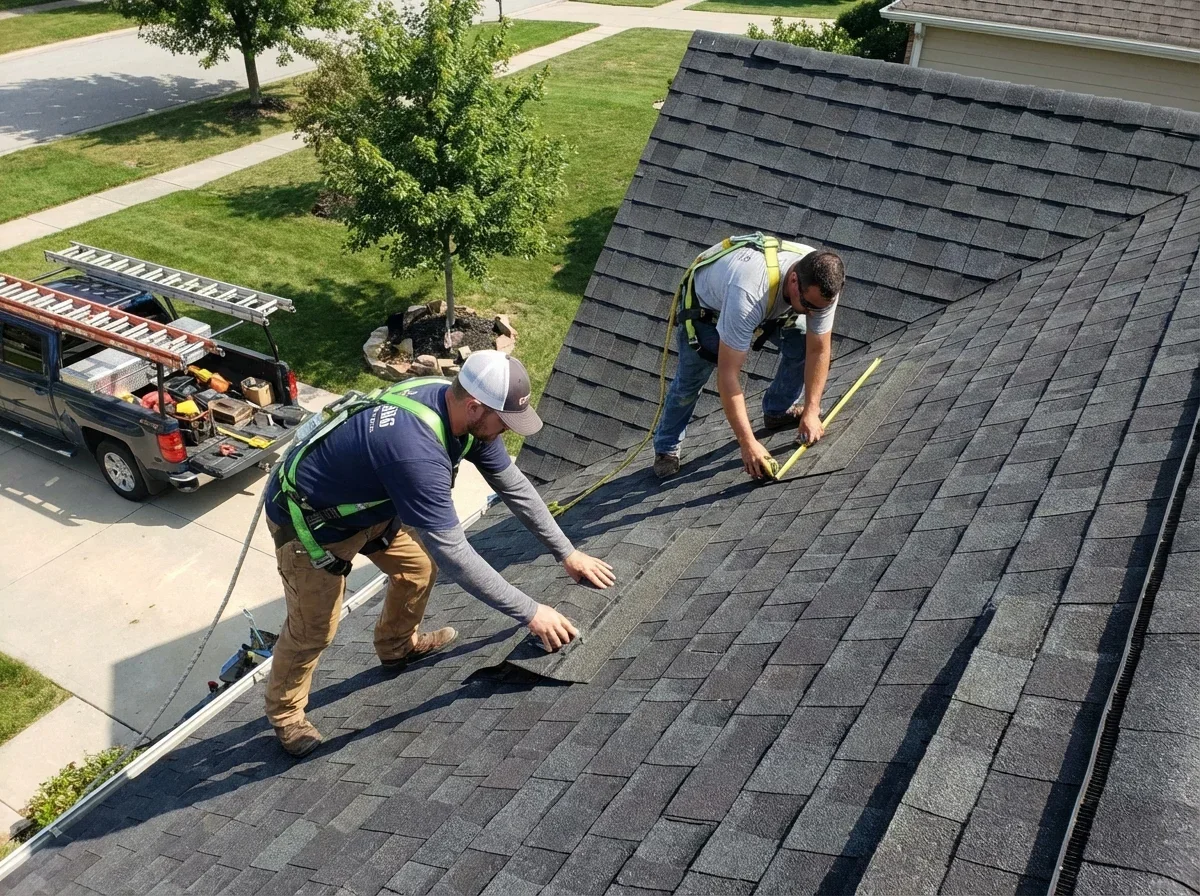
Standard Contractors Who Install GAF Products: What You're Getting
Thousands of Colorado roofers install GAF shingles without Master Elite certification. They're called GAF-certified contractors or standard GAF contractors, and they can access most of GAF's product line.
What they can't offer is the extended warranty coverage.
Standard contractors might provide excellent workmanship, competitive pricing, and faster scheduling (Master Elite contractors are often booked 6-8 weeks out during peak season). They might specialize in niche applications (metal roofing over asphalt shingle retrofits, historic slate roofing restoration) where GAF's warranty packages aren't the primary value driver.
When a Standard Contractor Makes Sense
If you're installing a roof on a rental property you plan to sell in 3-5 years, the extended warranty might not justify paying a 10-15% premium for Master Elite installation.
If you're in a mountain community above 8,000 feet where material transport costs and shortened installation windows dominate pricing, contractor availability might outweigh warranty depth.
If you're replacing a roof under insurance after hail damage and your adjuster has already approved specific line items, the standard GAF warranty on materials might be sufficient. Especially if you're planning to re-evaluate roofing options in 10-12 years anyway.
Standard contractors also tend to have more flexibility with pricing. Master Elite contractors pay annual fees to GAF and commit to higher insurance premiums, costs they pass along. You're paying for the warranty infrastructure whether you use it or not.
How to Verify Master Elite Status (And Why You Should)
GAF maintains a public contractor locator at gaf.com/roofing-contractors. Enter your ZIP code, filter by Master Elite, and you'll get a list of currently certified contractors in your area.
The directory updates quarterly, so it's reasonably current.
What to Check Beyond the Directory
Call GAF's contractor services line and verify the contractor's status directly. Ask when the certification was last renewed and whether there are any pending complaints or audit issues. GAF won't share details of internal disputes, but they'll confirm active standing.
Request a copy of the contractor's Master Elite certificate and cross-reference the certificate number with GAF. Storm-chaser contractors have been known to print fake credentials. It's rare, but it happens in Colorado's post-hail markets.
Check the contractor's insurance directly with the carrier. The Master Elite requirement is $1 million minimum, but many contractors carry higher limits. Ask for a Certificate of Insurance (COI) naming you as an additional insured for the project duration.
Your mortgage lender may require this anyway.
Verify municipal licensing at the local level. Denver contractors must register at denvergov.org/business-licensing. Colorado Springs requires contractor licensing through coloradosprings.gov. Boulder, Fort Collins, and Aurora have their own portals.
GAF doesn't enforce local compliance retroactively. They verify it at certification, but municipalities can revoke licenses mid-year.
Master Elite Verification Checklist:
- Confirm status at gaf.com/roofing-contractors
- Call GAF contractor services to verify active certification
- Request Master Elite certificate and cross-check certificate number
- Obtain Certificate of Insurance (COI) directly from carrier
- Verify municipal licensing through local government portals
- Check BBB complaint history and resolution record
- Ask for local references from projects completed in past 12 months
Pricing Differences: What the Certification Costs You
Master Elite contractors typically charge 8-15% more than standard contractors for identical scope of work.
On a $16,000 roof replacement in Highlands Ranch, that's $1,280-$2,400 additional cost. You're paying for warranty depth, insurance overhead, and GAF's annual certification fees.
Is it worth it? That depends on how long you plan to own the home and your risk tolerance for future repair costs. If you're in a home you plan to keep for 15-20 years in a high-hail-frequency zone (anything along the I-25 corridor from Fort Collins to Colorado Springs), the extended warranty coverage likely pays for itself the first time you file a claim.
If you're flipping properties or in a low-hail area like the Western Slope, standard contractor pricing might make more sense.
Run the numbers: what's the probability of a warranty claim in your specific microclimate, and what would that claim cost without Master Elite coverage?
Colorado-Specific Considerations for GAF Certification
Colorado's unique climate and regulatory environment create specific contexts where Master Elite certification becomes more or less valuable.
Understanding these nuances helps you weight the certification appropriately.
Hail Frequency and Warranty Claims
The Front Range averages 7+ significant hail events per year. If you're in Adams, Arapahoe, Douglas, El Paso, or Weld County, the probability of filing a hail-related warranty claim within 10 years approaches 60-70%.
That makes extended workmanship coverage from a Master Elite warranty statistically valuable.
Mountain communities above 7,000 feet see less hail but face extreme UV degradation and snow load stress. The warranty value shifts from hail coverage to premature aging claims (granule loss, thermal splitting, and seal failures accelerated by temperature swings). Master Elite warranties cover these failure modes; standard warranties often exclude them as "normal wear."
Municipal Licensing Variability
Because Colorado has no state roofing license, Master Elite contractors must navigate a patchwork of local requirements.
A Denver-based Master Elite contractor might not be properly licensed to work in Lakewood or Thornton without separate registrations. Always verify local licensing even with certified contractors.
Some municipalities (Boulder, for example) require contractors to pass building code exams specific to local amendments. Master Elite status doesn't substitute for these local qualifications. It's a separate layer of credentialing.
Class 4 Impact-Resistant Shingle Installations
GAF's Master Elite training increasingly focuses on Class 4 impact-resistant shingles, which are becoming the Front Range standard. These shingles require specific installation techniques: modified fastener patterns, enhanced starter strip protocols, and different valley treatments.
Standard contractors can install Class 4 shingles, but Master Elite contractors receive manufacturer training on these products and must demonstrate proficiency.
If you're installing impact-resistant shingles to capture insurance premium discounts (15-28% in Colorado), having a Master Elite contractor who's been trained on the specific product line reduces the risk of installation errors that could void both your insurance discount and your manufacturer warranty.
How to Use Master Elite Status in Your Contractor Decision
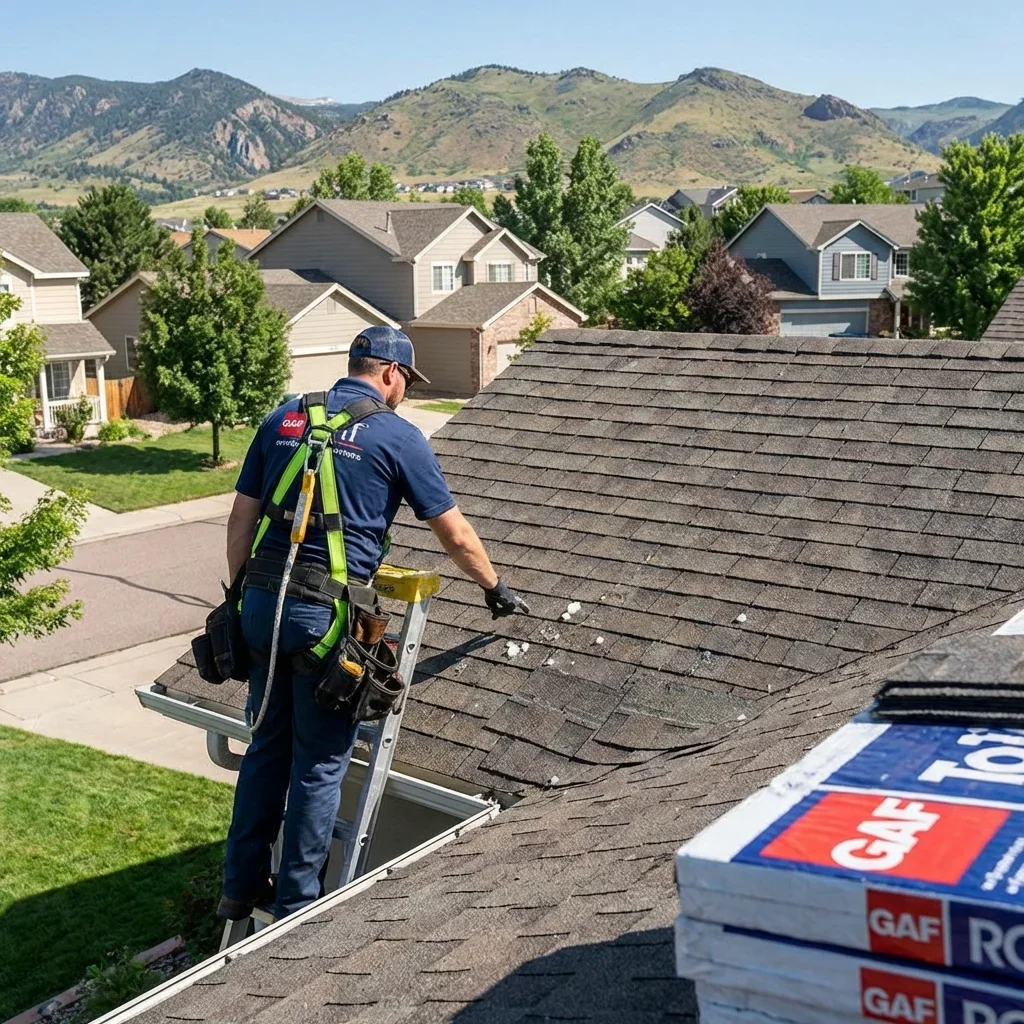
Treat Master Elite certification as a baseline qualifier, not a final decision point.
Start by filtering for Master Elite contractors in your area, then layer on additional vetting: local references, project portfolio reviews, and detailed quote comparisons.
Ask Master Elite contractors which specific warranty they're offering (System Plus or Silver Pledge) and get it in writing. Some contractors lead with Master Elite branding but default to standard GAF warranties unless you specifically request upgraded coverage. The certification means they can offer extended warranties, not that they automatically do.
Compare at least three quotes: two Master Elite contractors and one highly-rated standard contractor. This gives you a pricing baseline and helps you assess whether the warranty premium aligns with market rates.
If one Master Elite contractor is 25% higher than another for identical scope, the certification isn't the driver. Something else is inflating costs.
Request proof of GAF certification, current insurance, and municipal licensing from every contractor before signing. How to verify a Colorado roofing contractor walks through the full due diligence checklist, but the short version: trust, then verify. Every claim.
When Master Elite Certification Matters Most
Three scenarios make Master Elite certification particularly valuable in Colorado.
First: you're installing a new roof on a home you plan to own for 15+ years in a high-hail zone. The extended warranty coverage compounds in value with each potential claim event.
Second: you're replacing a roof under insurance after hail damage and the adjuster has approved full replacement. Your out-of-pocket cost is the same regardless of contractor (just the deductible), so you might as well maximize warranty coverage for future events. Insurance will only cover the current damage. Subsequent storms require new claims, and Master Elite warranties reduce your exposure on those future events.
Third: you're in a community with strict HOA architectural standards or historic district requirements.
Master Elite contractors tend to have more experience navigating approval processes and sourcing specialty products (architectural shingles in specific color matches, designer ridge caps) that meet aesthetic requirements while maintaining warranty coverage.
Where Master Elite Certification Matters Less
If you're installing a metal roof, the Master Elite designation loses relevance.
GAF's certification is shingle-focused. For metal roofing projects, you want contractors certified by the Metal Roofing Alliance or specific manufacturers like DECRA or Classic Metal Roofing Systems.
If you're working on a flat or low-slope commercial roof, look for contractors certified in TPO, EPDM, or modified bitumen systems. GAF makes commercial roofing products, but Master Elite is a residential shingle certification. You need different credentials for commercial roofing projects.
If you're in a rural mountain community where contractor availability is limited and you've found a local roofer with 20+ years of regional experience, strong references, and proper insurance, their lack of Master Elite status might be irrelevant.
Local knowledge of snow load requirements, shortened installation seasons, and material transport logistics can outweigh manufacturer certification in these contexts.
The Bottom Line for Colorado Homeowners
Master Elite certification is a meaningful filter in Colorado's largely unregulated roofing market.
It verifies insurance levels, installation training, and warranty access that standard contractors can't match. In a hail-prone climate where roofing is a recurring capital expense, warranty depth translates to real cost avoidance.
But it's not a magic bullet.
You still need to verify credentials, check local references, compare detailed quotes, and understand what specific warranty coverage you're receiving. The certification answers some questions (insurance adequacy, manufacturer training, warranty eligibility), but leaves others unaddressed: customer service quality, pricing competitiveness, and local reputation.
Use Master Elite status as a starting point for contractor screening, not an endpoint. It's one of the strongest third-party credentials available in Colorado roofing, but it works best when combined with thorough local vetting and clear contractual terms on warranty coverage, project timelines, and payment schedules.