
Understand Colorado's Licensing Landscape Before You Start
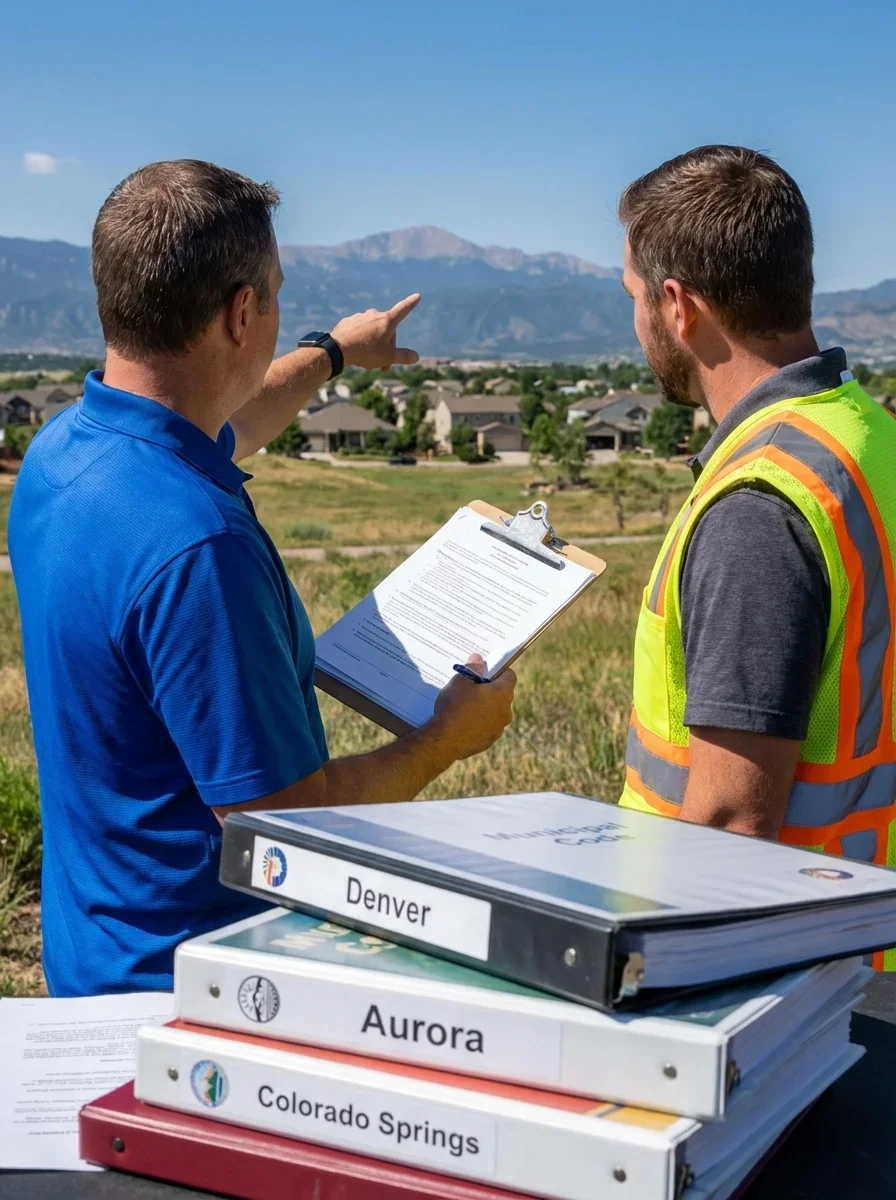
Colorado's lack of a state roofing license isn't an oversight — it's a deliberate regulatory structure that shifts verification responsibility to municipalities and, ultimately, to you. Most metro areas along the Front Range require local contractor registration. Denver, Colorado Springs, Aurora, Boulder, Fort Collins, and Lakewood all maintain separate contractor databases with different requirements.
Check your city's building department website first. Denver's system requires contractors to register with the Department of Community Planning and Development and carry general liability insurance plus workers' compensation. Colorado Springs uses a similar model through their Development Services division. Smaller municipalities may have no registration requirement at all, relying entirely on permit enforcement to catch unlicensed work.
The Colorado Department of Regulatory Agencies (DORA) oversees general contractors but doesn't license roofers specifically. You can verify general contractor licenses at https://www.colorado.gov/dora, but that database won't show roofing-specific credentials. This means a contractor can be perfectly legal in one Colorado city and completely unregistered in another.
What Registration Actually Tells You
Municipal registration proves a contractor filed paperwork and paid fees — nothing more. It doesn't verify their skill level, financial stability, or track record. Think of it as a baseline qualification, not a quality signal.
Insurance coverage matters far more than registration status. Colorado requires workers' compensation if a contractor has employees, but general liability insurance isn't state-mandated. That gap creates risk: a contractor can register legally without carrying the insurance that protects you if someone gets hurt on your property or they damage your home during installation.
Always request current certificates of insurance directly from the contractor's agent. The certificate should name you as an additional insured and list coverage amounts — $1 million general liability and statutory workers' comp are industry minimums. Call the insurance company to verify the policy is active. Contractors have been known to show expired certificates or fake documents, especially during the post-hail rush when everyone's scrambling to book work.
Start With Referrals From People Who've Weathered Colorado Storms
The best referrals come from neighbors who hired a contractor 2-3 years ago and have lived through a winter or two with the new roof. Recent installations haven't been tested yet. You need to know how the roof performs after freeze-thaw cycles, whether the contractor honored warranty calls, and if flashing around chimneys and valleys still holds up after temperature swings that can hit 60°F in a single day.
Ask specifically about responsiveness after the job. Storm chaser contractors often go silent once they've been paid and moved to the next hail zone. Local contractors with physical offices in Colorado answer calls in February when your ice dam is dripping into the attic.
Nextdoor and neighborhood Facebook groups surface honest experiences you won't find in curated online reviews. Look for comments about how contractors handled callbacks, whether they showed up when promised during peak season, and if they pushed unnecessary upgrades. Pay attention to complaints about deposit structures — some contractors demand large upfront payments then drag out timelines, leaving homeowners stuck with half-finished roofs and no leverage.
Industry Associations as a Credibility Filter
Membership in the Colorado Roofing Association (CRA) signals a contractor's commitment to staying local and engaged with state-specific issues. CRA members agree to a code of ethics and typically carry higher insurance limits than the legal minimum. Membership isn't a guarantee of quality, but it shows a contractor invested in their reputation beyond a single storm cycle.
Manufacturer certifications matter more. GAF Master Elite, CertainTeed SELECT ShingleMaster, and Owens Corning Platinum Preferred contractors have met volume thresholds, passed inspections, and maintained low complaint ratios. These programs require ongoing training and financial stability checks. A Master Elite contractor can offer longer warranties (up to 50 years on materials plus workmanship) that transferrable to future buyers — a selling point if you're in Denver's competitive real estate market.
Don't assume every contractor with a manufacturer logo on their truck actually holds current certification. Verify credentials directly on the manufacturer's website. GAF's contractor locator at gaf.com lets you confirm Master Elite status. If a contractor claims certification but doesn't appear in the official directory, that's a red flag worth exploring before you go further.
Get Three Detailed Bids (And Know What to Compare)
Three bids give you enough range to spot outliers without creating analysis paralysis. One bid leaves you guessing if the price is fair. Five bids waste time because you'll end up disqualifying the cheapest and most expensive anyway, circling back to the middle three.
Schedule estimates within the same week if possible. Material costs fluctuate with oil prices — asphalt shingles are petroleum products — and contractors adjust pricing based on their current backlog. A bid from March may not hold in May after a major hail event fills everyone's schedule.
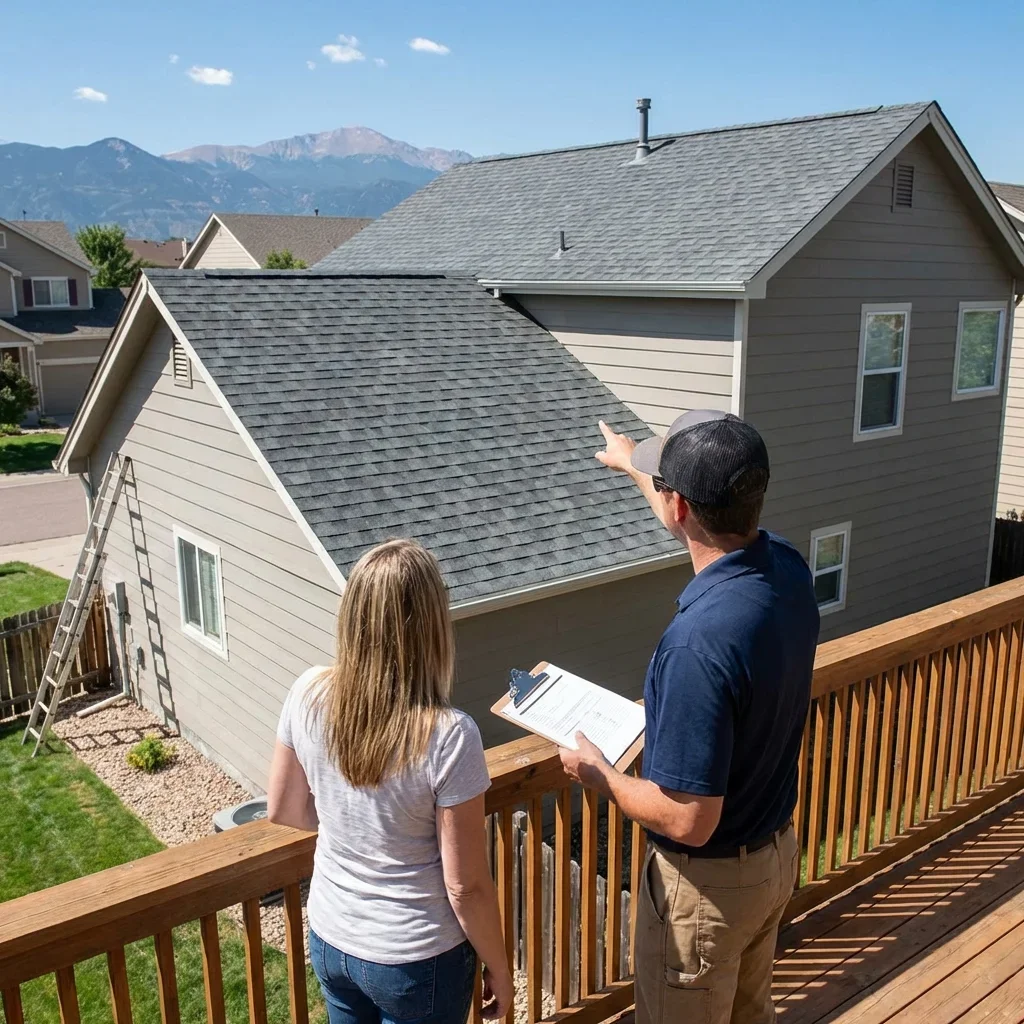
Watch how the estimator inspects your roof. Do they actually climb up and check flashing, or do they eyeball it from the ground? A thorough inspection takes 30-45 minutes minimum. They should photograph problem areas, measure slopes, and ask about ventilation issues. Contractors who skip the attic inspection miss critical clues about whether your roof is failing because of storm damage or inadequate airflow that's been cooking shingles from below.
Decoding the Line Items That Matter
Colorado's UV exposure at 5,280 feet degrades shingles 25-30% faster than manufacturers' rated lifespans suggest. A "30-year shingle" typically lasts 18-22 years here. Class 4 impact-resistant shingles hold up better to both hail and UV degradation, and they qualify you for 15-28% insurance discounts that offset the higher upfront cost within 5-7 years.
Ask every contractor to price both standard architectural shingles and Class 4 options like GAF's Timberline HDZ or CertainTeed's StreakFighter IR. The price difference is usually $50-80 per square (100 sq ft), but the insurance savings add up. Some contractors lowball their initial bid with builder-grade shingles, then upsell you to impact-resistant products after you've mentally committed.
Underlayment specs separate amateurs from professionals in Colorado's climate. Synthetic underlayment like GAF's TigerPaw or CertainTeed's RoofRunner outperforms traditional felt, especially during temperature swings. It won't buckle or wrinkle if exposed to weather during multi-day installations, and it provides better secondary water protection if wind-driven hail punctures shingles. A bid that specifies #30 felt instead of synthetic is cutting corners in a climate where your roof is tested by hail and UV 300+ days a year.
Flashing material and installation method deserve scrutiny. Galvanized steel flashing corrodes faster in Colorado's low-humidity climate — mountain towns with well water can hit 250+ ppm hardness that accelerates rust. Ice and water shield (a self-sealing membrane) should run 3-6 feet up from eaves and around all penetrations — chimneys, skylights, plumbing vents. Cheap contractors skip or skimp on ice and water shield because you can't see it once the shingles go on, but it's your primary defense against ice dams that form during Chinook wind events when attic heat melts snow that refreezes at the eave line.
Verify Insurance Coverage and Local Business Standing
Call the contractor's insurance agent directly. Don't rely on a certificate of insurance the contractor hands you — verify the policy number, coverage amounts, and expiration date with the actual insurance company. This takes five minutes and catches fraudulent documents before you sign anything.
Workers' compensation coverage is legally required if the contractor has employees, but enforcement is spotty. If an uninsured worker gets hurt on your roof, your homeowner's insurance can be liable. Ask the contractor if they're self-insured (one-person operations sometimes are) or if they carry a policy. If they claim to work alone, that should match what you see on bid day. A "solo" contractor who shows up with a four-person crew is skirting workers' comp requirements.
Check complaint history with the Better Business Bureau and your local consumer protection office. The Denver District Attorney's Office maintains a fraud alert list. The Colorado Attorney General's consumer protection division tracks complaints against contractors statewide. One or two resolved complaints over a ten-year history isn't disqualifying — it's how the contractor handled the resolution that matters. A pattern of unresolved disputes or mechanics liens is a hard stop.
Physical Address and Permanent Presence
Storm chasers operate out of hotel rooms and temporary offices that disappear after hail season. A Google search of the contractor's business address should show an actual building, not a UPS store mailbox. Drive by if you're unsure. A legitimate contractor has signage, equipment storage, and staff who can answer phones year-round.
Colorado's Secretary of State business database lets you verify when a company was registered and who the owners are. A business formed three weeks after the last major hail event is likely a storm chaser. Companies registered for 10+ years with the same ownership structure have weathered multiple insurance cycles and economic downturns — they'll be around when you need warranty work in 2029.
Ask about subcontracting before you sign. Some large restoration companies subcontract all their work to out-of-state crews during peak season. You're signing with a company that has no control over the people on your roof. Subcontracting isn't automatically bad, but you should know who's actually doing the work and verify that those crews carry their own insurance. The general contractor's insurance may not cover subcontractor negligence.
Read the Contract Like Your Roof Depends on It
Colorado contracts should specify which edition of the International Residential Code (IRC) and local amendments apply to your project. Most Front Range cities adopted the 2021 IRC with Colorado-specific modifications. The contract should state that all work will meet current code and pass municipal inspections.
Permits are the contractor's responsibility, and the cost should be included in your bid. The contract needs to say who pulls permits and when inspections will occur. If a contractor suggests skipping permits to save money, walk away. Unpermitted work voids manufacturer warranties and creates a red flag for future buyers. Insurance companies can deny claims on unpermitted roofs.
Payment schedules matter. Colorado law doesn't require contractors to be bonded unless they're working on government projects, so you have limited recourse if they take your money and disappear. Never pay more than 25% upfront — just enough to cover materials that will be delivered to your property. The bulk of payment should come at project milestones: 35% when tear-off is complete, 35% when the new roof is installed and inspected, and the final 5-10% after you've walked the property and verified cleanup. Some contractors push for 50% down — that's a negotiating point, not an industry standard.
Warranty Coverage That Actually Protects You
Separate the manufacturer's material warranty from the contractor's workmanship warranty. Material warranties cover defects in the shingles themselves — delamination, granule loss, manufacturing errors. These warranties range from 25 years to "lifetime" (which usually means 50 years with prorated coverage after year 10). The manufacturer won't cover installation errors.
Workmanship warranties cover labor and installation mistakes — flashing that wasn't sealed correctly, shingles nailed too high or too low, valley installation that channels water incorrectly. A legitimate Colorado contractor offers at least a 10-year workmanship warranty. Certified contractors with GAF or CertainTeed often provide 25-year workmanship warranties through the manufacturer's extended coverage programs.
Get warranty terms in writing before you sign. The contract should specify what's covered, how long coverage lasts, and whether the warranty transfers if you sell your home. Transferrable warranties are a selling point in Colorado's competitive real estate market — they give buyers confidence that the roof won't need replacement in the next decade.
Understand that workmanship warranties are only as good as the company standing behind them. A 25-year warranty from a contractor who folds in three years is worthless. This is why local, established companies with a decade-plus track record offer more security than storm chasers with impressive-sounding warranties.

Schedule Work With Colorado's Seasonal Realities in Mind
April through October is installation season along the Front Range. Mountain communities above 8,000 feet have a narrower window — May through September — because snow can hit in early October. If you're replacing a roof in Evergreen or Breckenridge, expect higher material transport costs and a compressed timeline.
Hail damage repairs peak June through August, creating backlogs that extend 6-18 months after major storms. If your neighborhood got hit in July, contractors may not reach your job until the following spring. Legitimate contractors will be honest about lead times. Storm chasers promise immediate starts, then juggle too many jobs and leave projects half-finished.
Winter installations are possible in the Denver metro area during warm spells — Chinook winds can push temperatures into the 60s even in January. Shingle adhesives need temps above 40°F to seal properly. Contractors willing to work in winter should guarantee they'll only install on warm days and use cold-weather installation techniques (hand-sealing shingles with roofing cement). Some manufacturers void warranties on winter installations, so verify that before scheduling off-season work.
The Insurance Claim Timeline Factor
If you're going through insurance, the contractor's timeline depends partly on when your claim closes. Adjusters can take 2-8 weeks to inspect and approve claims after you file. Disputes over depreciation or coverage can drag that to months. Choose a contractor experienced with insurance claim assistance who can document damage with photos, drone footage, and detailed estimates that match what adjusters expect to see.
Avoid contractors who offer to "eat" your deductible or promise to rebate it after insurance pays. That's insurance fraud. Colorado's Division of Insurance actively investigates these schemes. The contractor is essentially overcharging your insurance company to cover your deductible, and if the insurer catches it, your claim can be denied and you'll owe the full replacement cost.
Walk the Job Site Before Final Payment
Inspect the completed roof with the contractor before you sign off. Bring the contract and bid sheet. Check that the shingle brand, color, and class rating match what you agreed to. Unscrupulous contractors have been known to substitute cheaper materials after the deposit clears.
Look for debris in gutters and landscaping. Professional crews use tarps, magnets to collect nails, and blowers to clear your yard. You shouldn't find roofing nails in your driveway three months after the job. If you have kids or pets, walk the perimeter with a magnet on a stick — missed nails are a safety hazard.
Check flashing around chimneys, skylights, and roof-wall intersections. Flashing should be sealed with roofing cement and tucked under shingles correctly. Gaps or exposed nail heads are water entry points. Ask the contractor to explain their flashing approach if anything looks questionable — they should be able to walk you through their method and why it meets code.
Permit Inspection and Sign-Off
The municipality's building inspector needs to sign off before the job is truly complete. Some contractors schedule the final inspection without telling homeowners, which is fine if it passes. But if the inspector flags issues — improper ventilation, code violations, flashing problems — you need to know before you make final payment. Ask to see the approved inspection report. Most Colorado cities post inspection results online within 24 hours.
If the inspector requires corrections, those are the contractor's responsibility at no additional cost to you. Don't release final payment until corrections are made and the re-inspection passes. This is leverage you lose once the money leaves your account.
Recognize Red Flags That Should Stop Negotiations
A contractor who can't provide current insurance certificates within 24 hours is either uninsured or disorganized enough that you don't want them on your roof. Either scenario is a deal-breaker.
Door-to-door solicitation after hail storms is standard practice in Colorado, but legitimate contractors will give you time to think and research. High-pressure tactics — "this price is only good if you sign today" or "I can only fit you in if you commit right now" — are storm chaser playbook moves. Local contractors with full schedules don't need to pressure you.
Bids that are 30%+ lower than the other two quotes deserve scrutiny. The contractor is either cutting corners on materials, skipping insurance coverage, or planning to upsell you aggressively once work starts. The lowest bid is rarely the best value in an industry where quality materials and experienced labor cost real money.
Requests for full payment upfront or cash-only payment are massive red flags. Legitimate contractors accept checks and credit cards. They invoice through accounting systems that create paper trails. Cash payments make it impossible to prove you paid if a dispute lands in court.
The Storm Chaser Pattern
Out-of-state plates on work trucks aren't automatically disqualifying — some Colorado contractors hire seasonal crews from other states. But if the business address is in Texas, the phone number has an Oklahoma area code, and the company was registered in Colorado three weeks ago, you're looking at a storm chaser.
These contractors aren't inherently incompetent, but they're incentivized to move fast, not build relationships. They'll be in Nebraska or Kansas when you discover a leak in November. They won't honor warranty calls. Their insurance may lapse once they leave the state.
Ask directly: "Will you have a local office in Colorado next year? Who do I call if I have a problem in 2027?" The answer tells you whether they're building a business or chasing a hailstorm.
Choose Experience With Colorado-Specific Challenges
A contractor who's replaced 500 roofs in Arizona doesn't understand how Front Range expansive clay soil shifts foundations, throwing rooflines out of alignment and breaking flashing seals. They don't know that Denver's 50%+ higher UV exposure compared to sea level means you can't cheap out on shingle quality and expect 30-year performance.
Ask about their experience with Class 4 impact-resistant shingles and how they handle the fire-rated requirements in wildfire-risk zones along the foothills. If you're in a WUI (wildland-urban interface) area, your municipality may mandate Class A fire ratings, which rules out traditional cedar shake unless you go with fire-retardant treatments or synthetic alternatives.
Mountain-area roofs face snow load requirements that metro Denver doesn't see. A contractor working in Vail or Aspen should know ICC 1500 snow load standards and how to reinforce trusses if you're adding heavier tile roofing or metal roofing to replace asphalt.
Installation Techniques for 60°F Temperature Swings
Colorado's daily temperature swings stress roofing materials. Shingles expand in afternoon sun, then contract overnight when temps drop into the 30s. Contractors who don't account for this install shingles too tight, and they buckle. Or they leave too much gap, and wind lifts them.
Ask how they handle nailing patterns in high-wind zones. The Front Range is IECC Zone 5B/6B with wind speeds that regularly hit 50+ mph during Chinook events. Six nails per shingle (instead of the standard four) and proper placement in the adhesive strip are required to prevent blow-offs. A contractor who doesn't mention wind ratings or nailing patterns may not understand Colorado's specific building code amendments.
Ventilation is where most Colorado roofs fail prematurely. Inadequate attic airflow creates heat buildup that degrades shingles from below. A contractor should calculate your attic's square footage and recommend the right balance of intake vents (soffit) and exhaust vents (ridge or box vents). The IRC requires 1 square foot of ventilation per 150 square feet of attic space. If your bid doesn't mention ventilation, ask about it directly.
Finalize Your Decision With Confidence
You've verified licensing, checked insurance, compared detailed bids, and confirmed the contractor has a track record with Colorado's climate challenges. Now trust your gut about communication style and professionalism.
The contractor you choose will be on your property for 3-10 days depending on roof size and complexity. You'll interact with their crew, deal with noise and disruption, and rely on them to protect your home during tear-off when the roof is completely exposed. A contractor who returns calls promptly, explains processes clearly, and answers questions without defensiveness is signaling how they'll handle problems if they arise.
Review the contract one final time before signing. Confirm the start date, estimated completion timeline, payment schedule, materials list, warranty terms, and permit responsibilities are all in writing. Nothing agreed to verbally will hold up if you end up in a dispute.
Once you've signed, maintain a project file with copies of the contract, insurance certificates, permits, inspection reports, warranty documentation, and all invoices. You'll need these records for insurance purposes, future roof work, and home sale disclosures. Colorado doesn't mandate contractors provide a final lien waiver, but request one anyway — it confirms subcontractors and suppliers were paid and can't file mechanics liens against your property.
Your new roof should last 18-25 years with proper maintenance. The contractor you hire determines whether you'll spend that time worry-free or dealing with callbacks, leaks, and warranty disputes. Choose carefully, verify thoroughly, and don't let urgency override due diligence.