
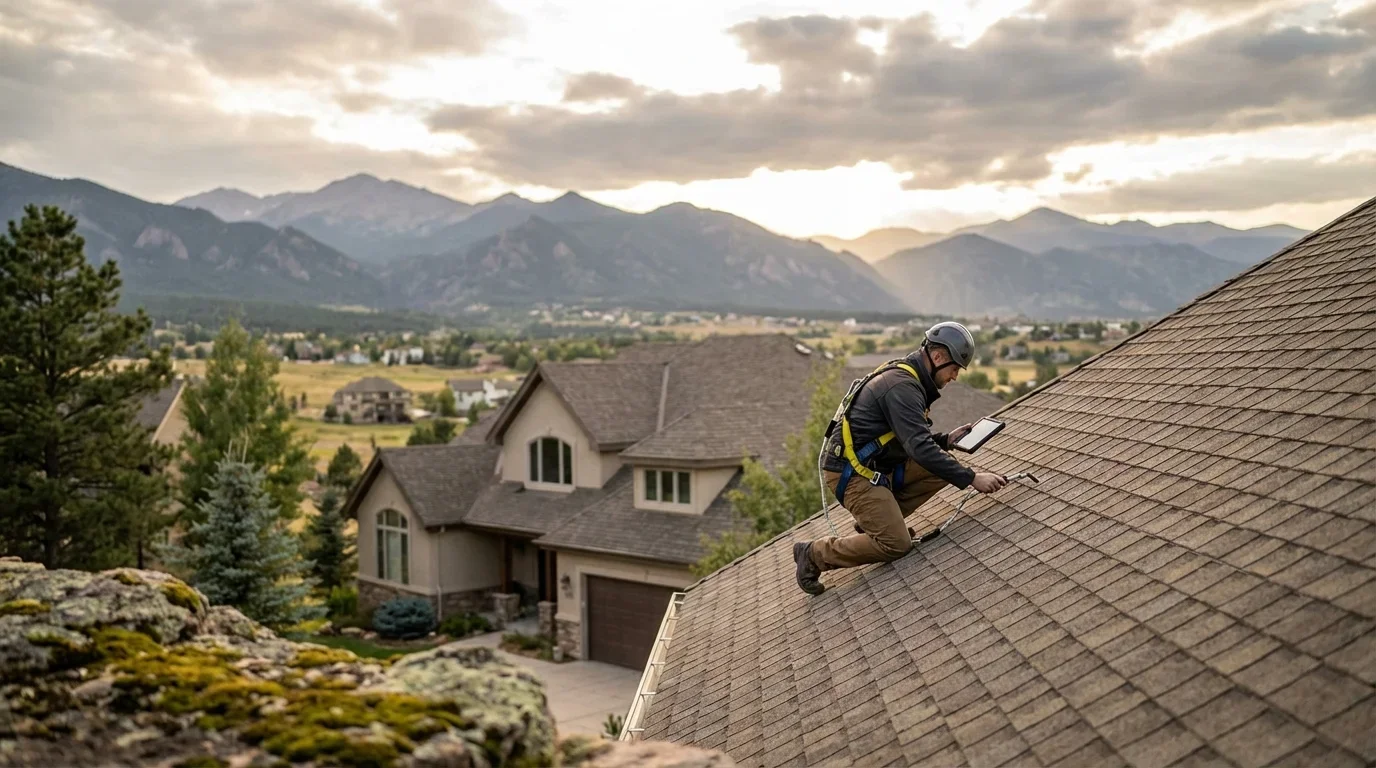
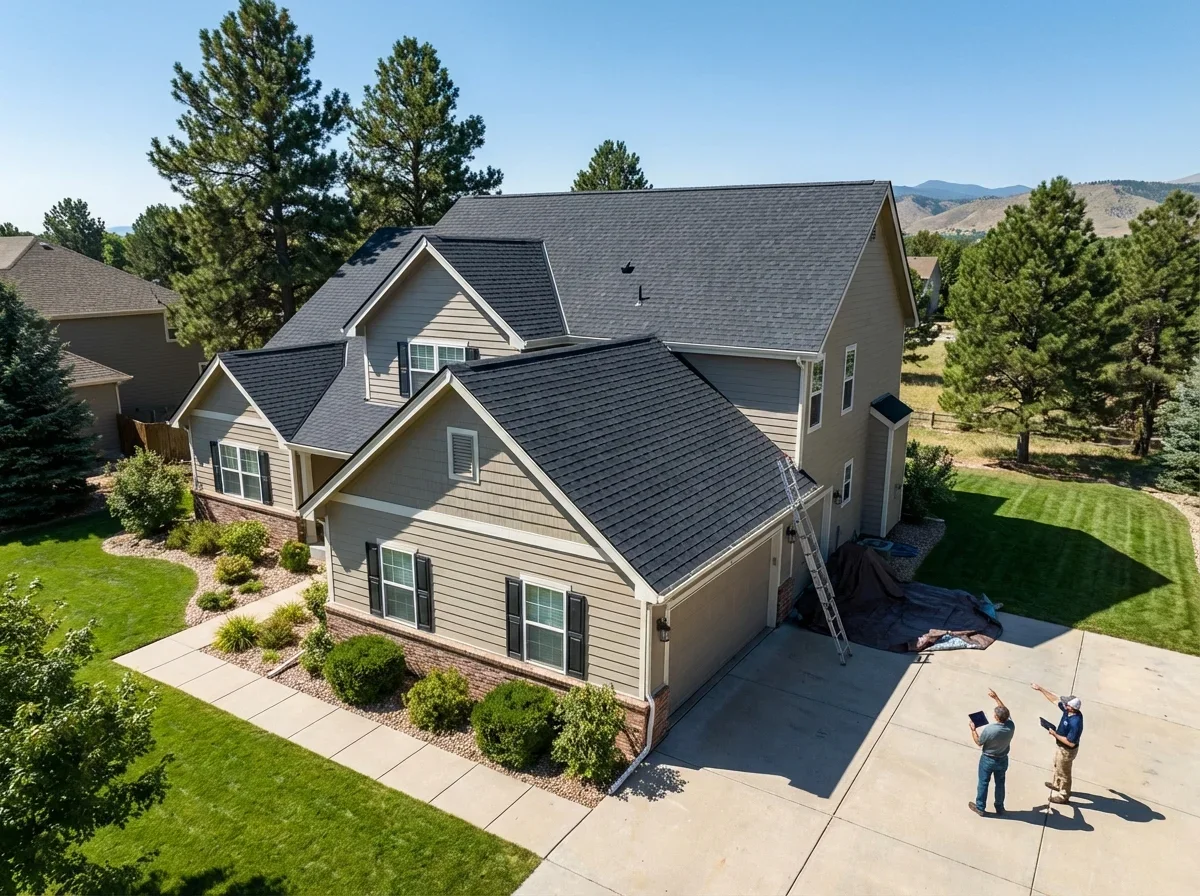
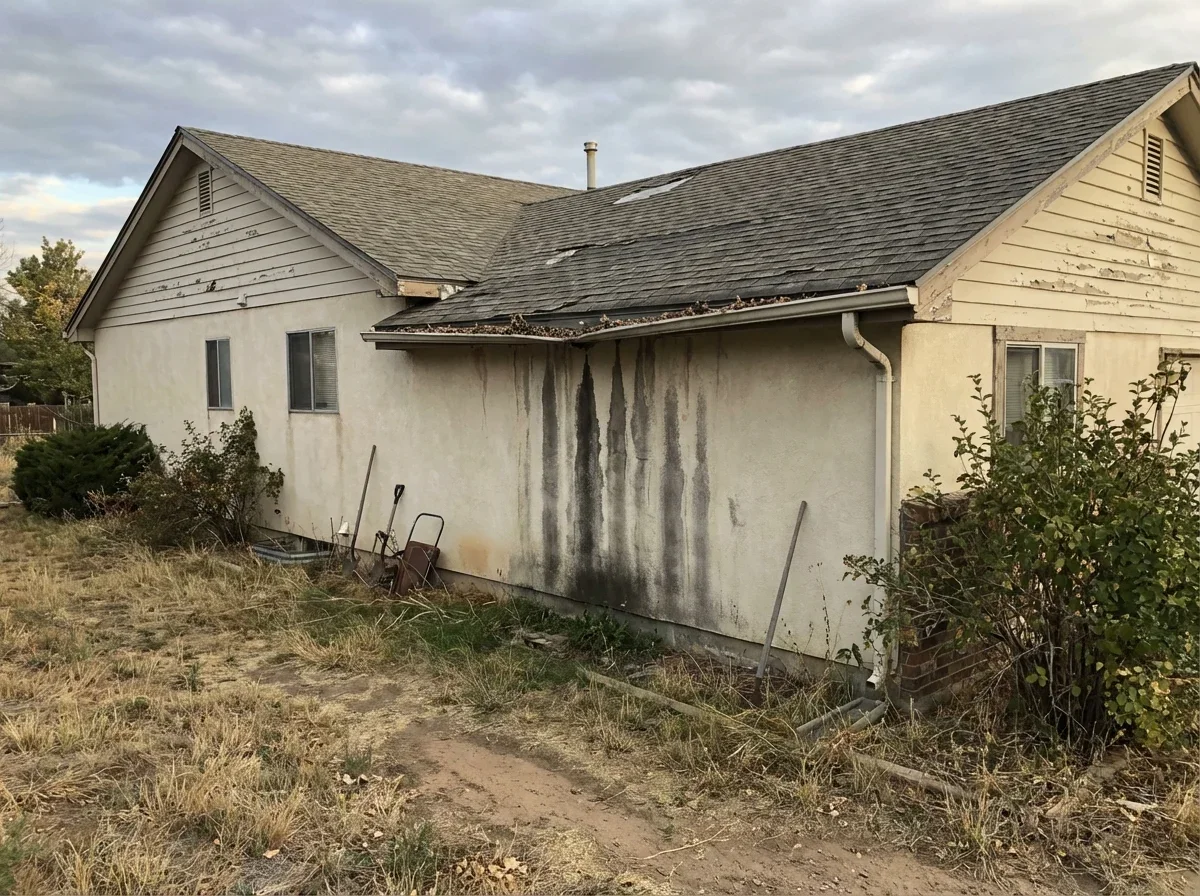
Free roof inspections and hail damage assessments are commonly offered by Colorado roofing contractors, especially after severe weather events. These no-obligation inspections can identify hidden damage and help homeowners understand their insurance claim options. Find trustworthy Colorado roofers who provide thorough documentation, avoid high-pressure sales tactics, and have established relationships with local insurance companies.
Featured Contractors
View all →


When Should You Get a Free Roof Inspection in Colorado?
The Front Range hail corridor—stretching from Fort Collins through Denver to Colorado Springs—sees concentrated storm activity from April through August. Most legitimate damage occurs within 24-72 hours of a hail event, not weeks later when door-knockers flood neighborhoods.
Your roof needs professional inspection if:
- Hail larger than 1 inch fell in your area (golf ball size causes measurable damage to standard shingles)
- You see dented soft metals (vents, flashing, gutters) after a storm
- Neighbors are filing claims or getting work done
- Your insurance company requests documented damage assessment
- You're approaching policy deadlines (most carriers require claim filing within 1 year of the storm date)
Colorado's high-altitude UV exposure already degrades roofing materials 25-30% faster than sea level—hail damage accelerates this deterioration exponentially.
Waiting 6 months to inspect means distinguishing fresh storm damage from pre-existing wear becomes nearly impossible for insurance adjusters.
Timing matters for claims. Insurance companies deny 40% of late-filed hail damage claims in Colorado because homeowners can't prove when damage occurred.
Peak hail season runs May-June across the Front Range. Boulder and Arvada neighborhoods along the foothills corridor see disproportionately severe strikes due to orographic lift patterns. If you're in these zones and a storm passed through, schedule inspection within 2 weeks while documentation is fresh.
How to Choose a Legitimate Free Inspection Provider
Licensing and Insurance Requirements
Colorado has no state roofing license—municipal rules vary. Before allowing roof access, verify:
- Denver-area contractors: Supervisor Certificate (Denver), business license
- Municipal licensing: Many cities require registration (check your city clerk website)
- General liability insurance: Minimum $1 million (request COI dated within 60 days)
- Workers' comp coverage: Protects you if someone falls off your roof
Colorado Roofing Association (CRA) membership indicates established local presence.
Members follow documentation standards and ethics guidelines. Storm chasers rarely join trade groups.
Warning Signs of Storm Chasing Scams
Red flags that differentiate legitimate contractors from fly-by-night operators:
| Legitimate Local Contractor | Storm Chaser Red Flag |
|---|---|
| Established Colorado address/showroom | Out-of-state license plates, P.O. box |
| Offers inspection without pressure to sign | Demands contract signature before inspecting |
| Provides written report regardless | Won't document findings unless you commit |
| Coordinates with your insurance timeline | Pressures immediate signing ("deal expires today") |
| Licensed/insured locally for 3+ years | Vague about insurance, can't produce COI |
Senate Bill 38 requires contracts over $1,000 to list your insurance company contact information—legitimate contractors comply automatically. Storm chasers avoid this transparency.
Local vs. Out-of-State Contractors
The 2023 hail season brought 400+ out-of-state roofing crews to the Denver metro area.
Problems with non-local contractors:
- Disappear after deposit, leaving incomplete work
- No local recourse if warranty issues arise
- Unfamiliar with Colorado climate requirements (Class 4 impact-resistant shingles, fire ratings for mountain zones)
- Don't coordinate properly with Front Range insurance adjusters who have specific documentation preferences
Greeley and Thornton saw particularly aggressive storm chasing activity in 2023. Verify the contractor maintains year-round Colorado operations before granting roof access.
For deeper verification steps, see our guide on how to verify Colorado roofing contractors.
What Does a Free Hail Damage Roof Inspection Include?
Comprehensive Surface Examination
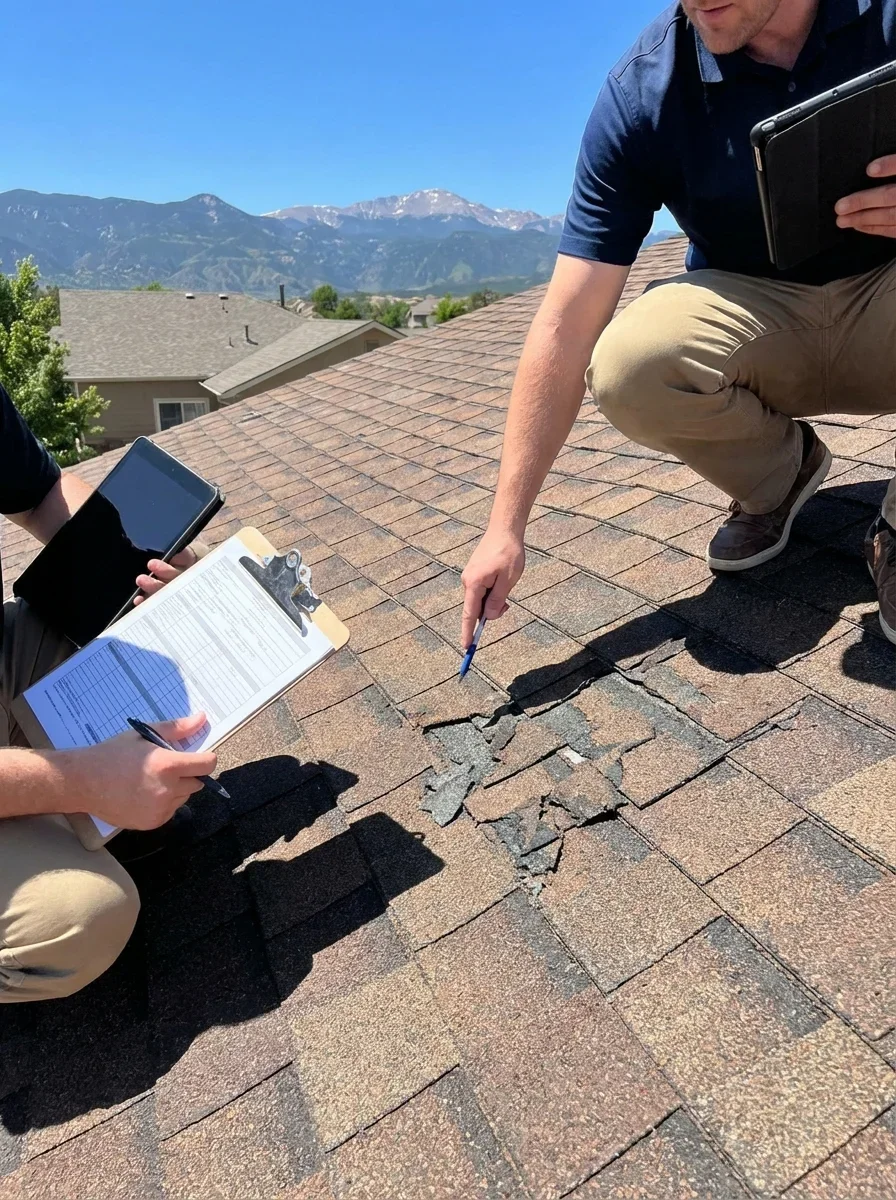
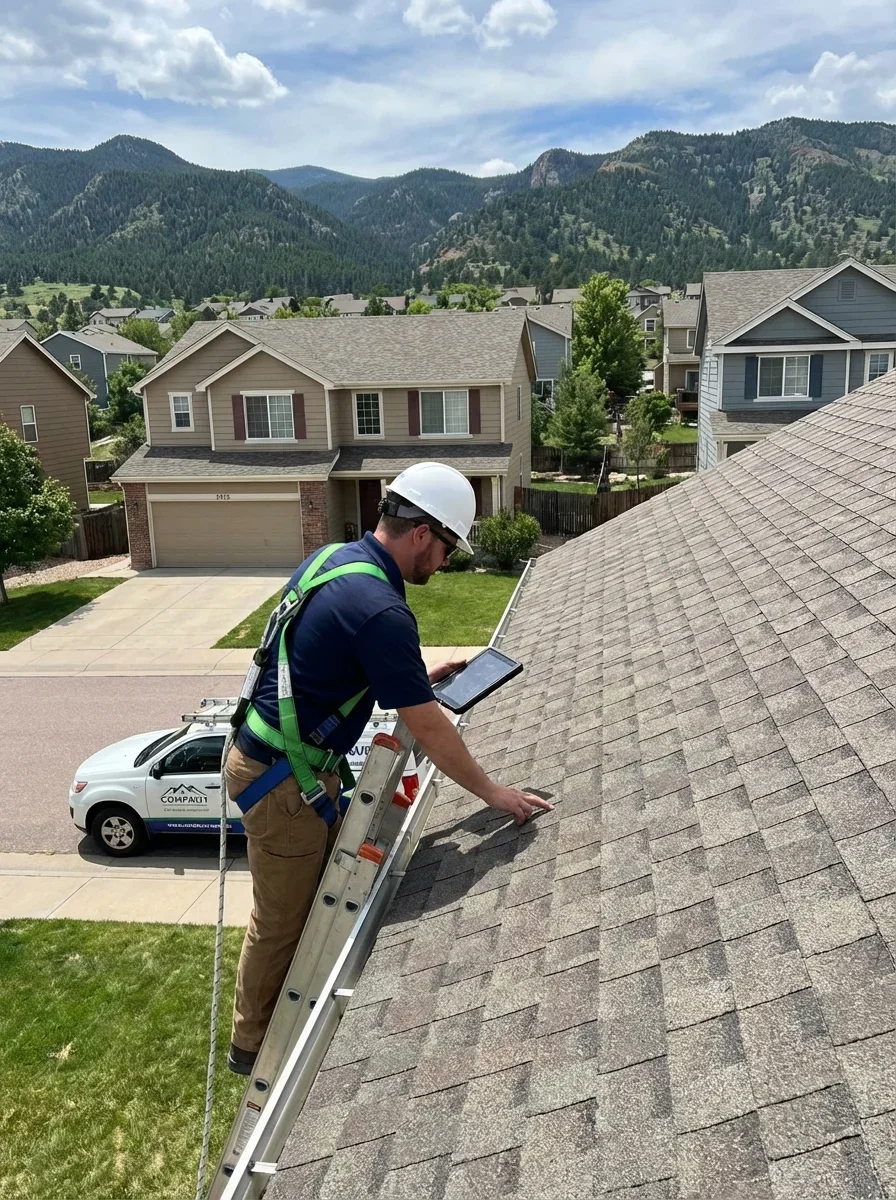
Legitimate inspectors physically walk your entire roof surface—not just peek from a ladder. They examine:
- Shingle bruising patterns (circular divots where hail compressed the mat, breaking granule bonds)
- Granule loss assessment (bare spots exposing the asphalt layer underneath)
- Soft metal testing (flashing, ridge vents, drip edge for dents—these serve as "witness marks" proving hail impact)
- Directional strike analysis (north-facing slopes often show more damage; prevailing storm direction matters)
- Underlayment exposure (severe strikes that penetrate through shingles to felt paper)
Insurance Documentation Standards
Your inspection report should include:
- Minimum 20-30 high-resolution photos with roof zones labeled
- Written damage density assessment (hits per 10'x10' test square)
- Soft metal witness mark documentation
- Storm date correlation with NOAA hail reports
- Estimated remaining shingle lifespan with vs. without replacement
Beware inspectors who won't provide a written report without signing a contract—legitimate assessments document findings regardless of whether you hire that company.
What Inspectors Look For That Homeowners Miss
Most homeowners see granule accumulation in gutters and assume the worst.
Trained inspectors differentiate:
| Finding | Hail Damage? | Insurance Claim Viable? |
|---|---|---|
| Scattered granule loss on ridge caps | Normal wear (high UV) | No |
| Circular bruising patterns across multiple slopes | Yes | Yes (if density meets threshold) |
| Cracked shingles along south exposure | UV degradation + thermal cycling | Rarely (pre-existing) |
| Dented metal vents/flashing | Yes (witness marks) | Yes |
Colorado's 60°F daily temperature swings cause shingle expansion and contraction that mimics some hail damage characteristics. Experienced local inspectors distinguish storm impact from climate-related wear—critical for claim approval.
Using Your Inspection Report for Insurance Claims
What Insurance Adjusters Look For
Colorado insurance adjusters evaluate:
- Damage density: Minimum 8-10 hail strikes per 100 square feet (industry threshold for functional damage)
- Soft metal witness marks: Dented vents/flashing prove hail size and impact force
- Shingle age and type: Pre-existing wear reduces claim payout (pro-rated depreciation)
- Storm date correlation: Must match NOAA records for your ZIP code
Your inspection report should address all four factors with photographic evidence.
Weak documentation leads to denied claims or lowball settlements.
Timeline for Filing After Inspection
Act within 30 days of storm date—most carriers accept this as reasonable discovery period. Key milestones:
- Week 1 post-storm: Schedule free inspection with 2-3 CRA-member contractors
- Week 2: Review reports, file insurance claim with best documentation
- Week 3-4: Insurance adjuster inspection (your contractor should attend)
- Week 4-6: Claim approval and supplement negotiation
Warning: Waiting 6+ months makes claims harder.
Insurance adjusters in Colorado Springs and Aurora report that late-filed claims face 60% higher denial rates because deterioration obscures storm-specific damage.
For complete claim filing guidance, visit our Colorado roof insurance claims guide. If damage is confirmed, explore storm damage repair options or full roof replacement depending on severity. Many homeowners also qualify for insurance claim assistance to navigate the supplement process.
Questions to Ask Your Inspector
- Can you provide written findings today, or only after I sign a contract?
- Will you attend my insurance adjuster's inspection?
- Do you install Class 4 impact-resistant shingles (for insurance discounts)?
- How long have you operated in Colorado?
- Can I see your CRA membership credentials and insurance certificates?
Compare 2-3 inspection reports before choosing a contractor.
Legitimate providers welcome comparison shopping—storm chasers pressure immediate decisions.
Frequently Asked Questions
- Colorado Roofing Contractors Association. "Colorado Roofing Contractors Association - Hail Damage Information." https://www.coloradoroofing.org/hail-damage-assessment. Accessed April 08, 2026.
- Colorado Division of Insurance. "Insurance Claim Deadlines and Roofing Standards in Colorado." https://doi.colorado.gov/insurance/claims-deadlines-roofing-hail. Accessed April 08, 2026.
- Colorado State University Extension. "CSU Extension - Severe Weather and Hail Patterns in Colorado." https://extension.colostate.edu/topic-areas/natural-resources/hail-storms-front-range/. Accessed April 08, 2026.
Related Articles
Need Help With Your Project?
Join 500+ homeowners we've helped