
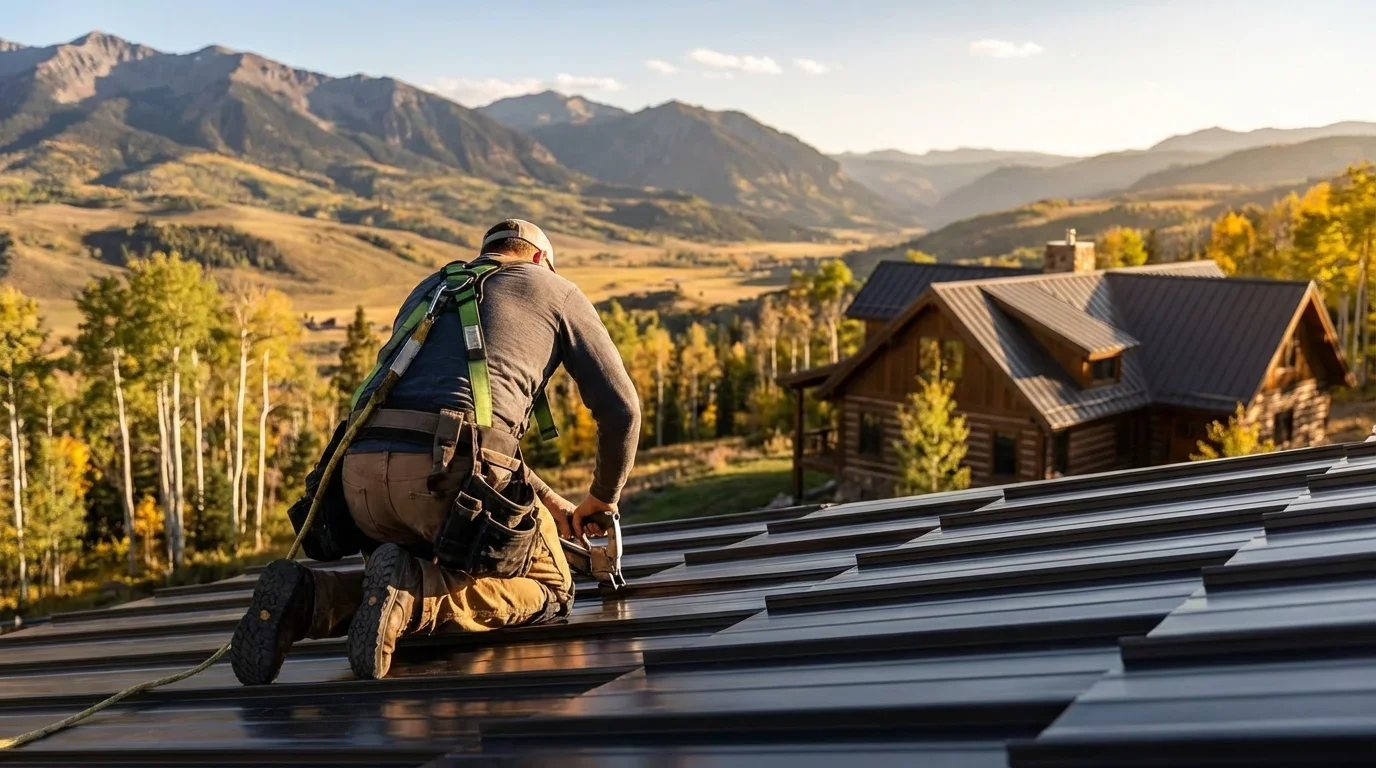
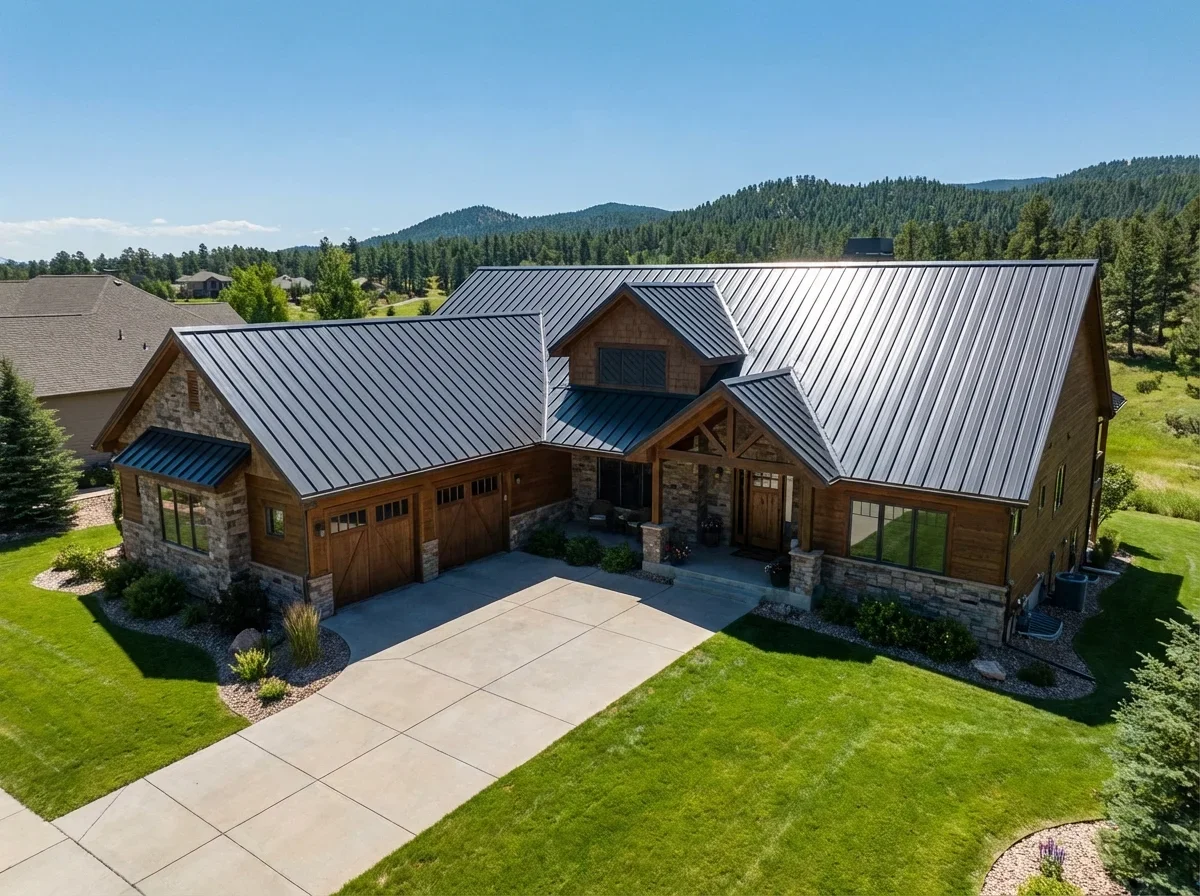
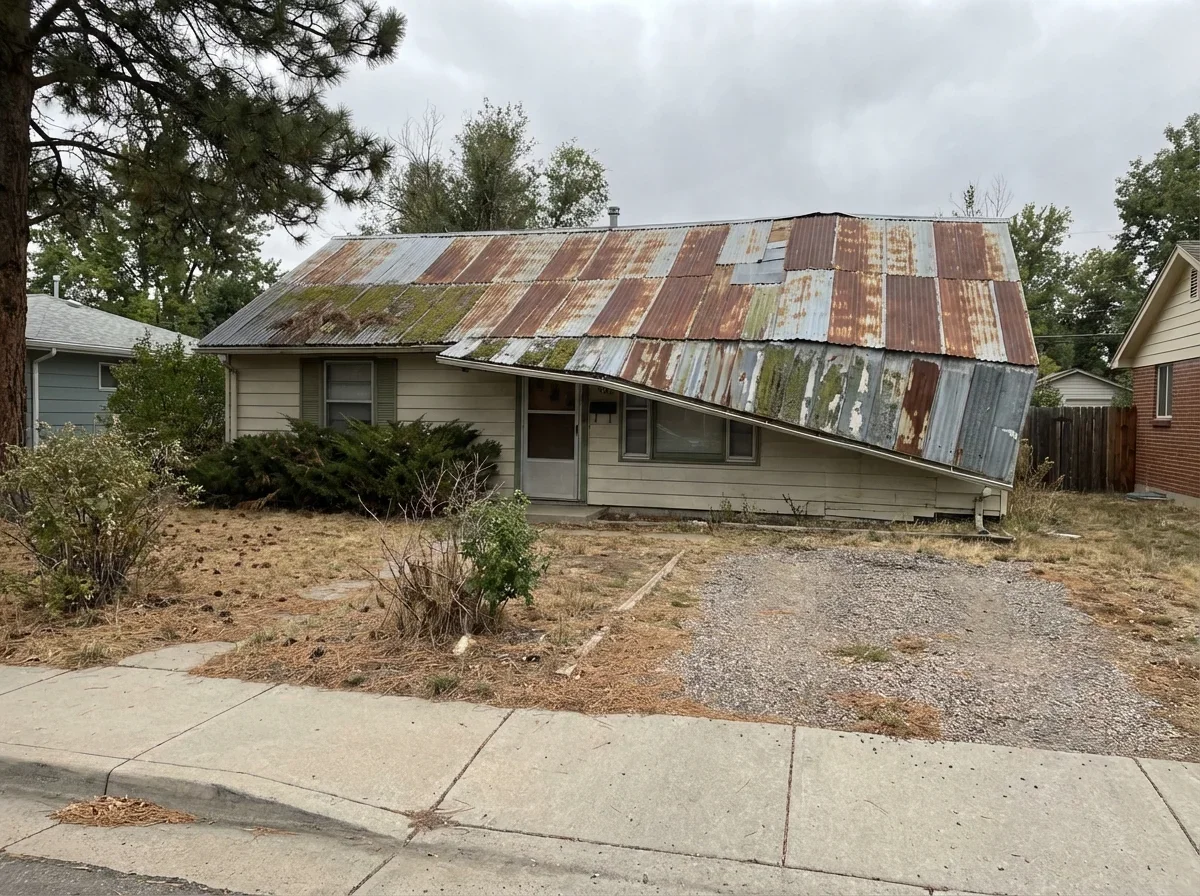
Metal roofing offers exceptional durability, energy efficiency, and longevity for Colorado homes, with standing seam and metal shingle systems lasting 50+ years. Metal roofs excel in snow shedding, fire resistance, and hail protection, making them ideal for mountain and wildfire-prone areas. Connect with experienced Colorado metal roofing contractors who install quality systems with proper underlayment and understand expansion/contraction requirements at altitude.
Featured Contractors
View all →


Why Metal Roofing Makes Sense in Colorado
You're researching metal roofing because you're tired of replacing asphalt shingles every decade after hail storms, or because you need a fire-rated roof for a mountain property near Boulder or Colorado Springs. Both reasons are valid in a state where climate extremes destroy conventional roofing faster than anywhere else in the country.
Colorado's altitude means 50% more UV radiation than sea level. The same sun exposure that degrades asphalt granules in 12-15 years barely affects metal panels. Daily temperature swings of 60°F in winter cause asphalt shingles to crack and curl. Metal expands and contracts without structural damage.
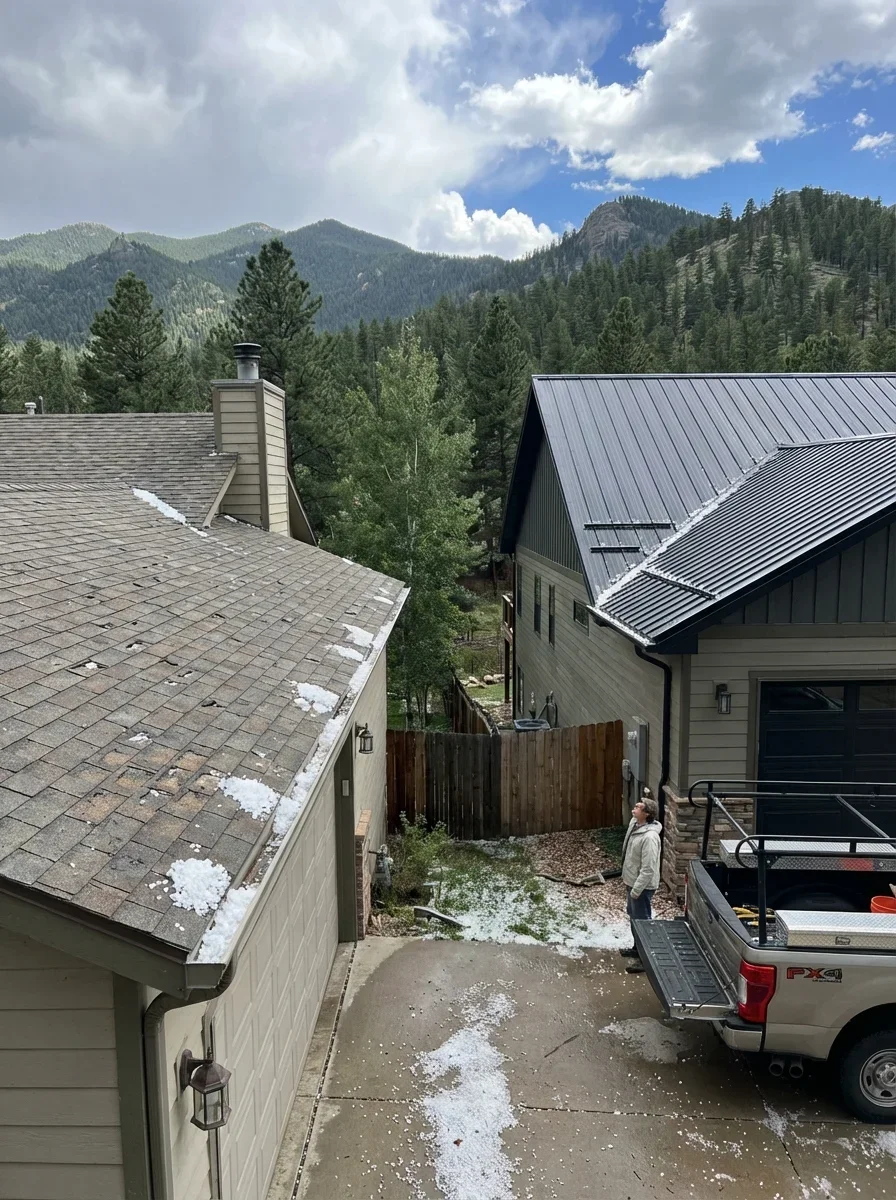
The Front Range averages 7+ significant hail events per year[*]. Class 4 impact-resistant metal roofing qualifies for insurance premium reductions of 15-28% statewide.
Wildfire Zones Require Class A Fire Ratings
Communities along the foothills from Fort Collins to Pueblo mandate Class A fire-rated roofing materials after the Marshall Fire. Cedar shake is banned in many mountain jurisdictions. Metal roofing meets code requirements while offering 3-5x the lifespan of composite alternatives.
Your insurance carrier will often require fire-rated materials to write or renew policies in WUI (Wildland-Urban Interface) zones.
Metal roofing survives what asphalt cannot. Colorado properties with standing seam metal roofs see 40-60% fewer insurance claims over 20 years compared to asphalt-shingled homes in the same zip codes.
Plan installations during spring (April-May) or fall (September-October) when daily high temperatures stay between 50-75°F. Metal panels contract in cold weather, making winter installations prone to fastener issues. Summer heat above 90°F makes metal surfaces too hot for safe installation work.
What Does Metal Roofing Cost in Colorado?
Metal roofing costs $8-$16 per square foot installed in Colorado. Material type, roof complexity, and snow retention requirements drive the final price. A typical 2,000 square foot residential roof runs $16,000-$32,000 fully installed including permits, underlayment, and basic snow guard systems.
Standing Seam vs Corrugated Pricing
| Metal Type | Material Cost/Sqft | Installed Cost/Sqft | Lifespan | Snow Performance |
|---|---|---|---|---|
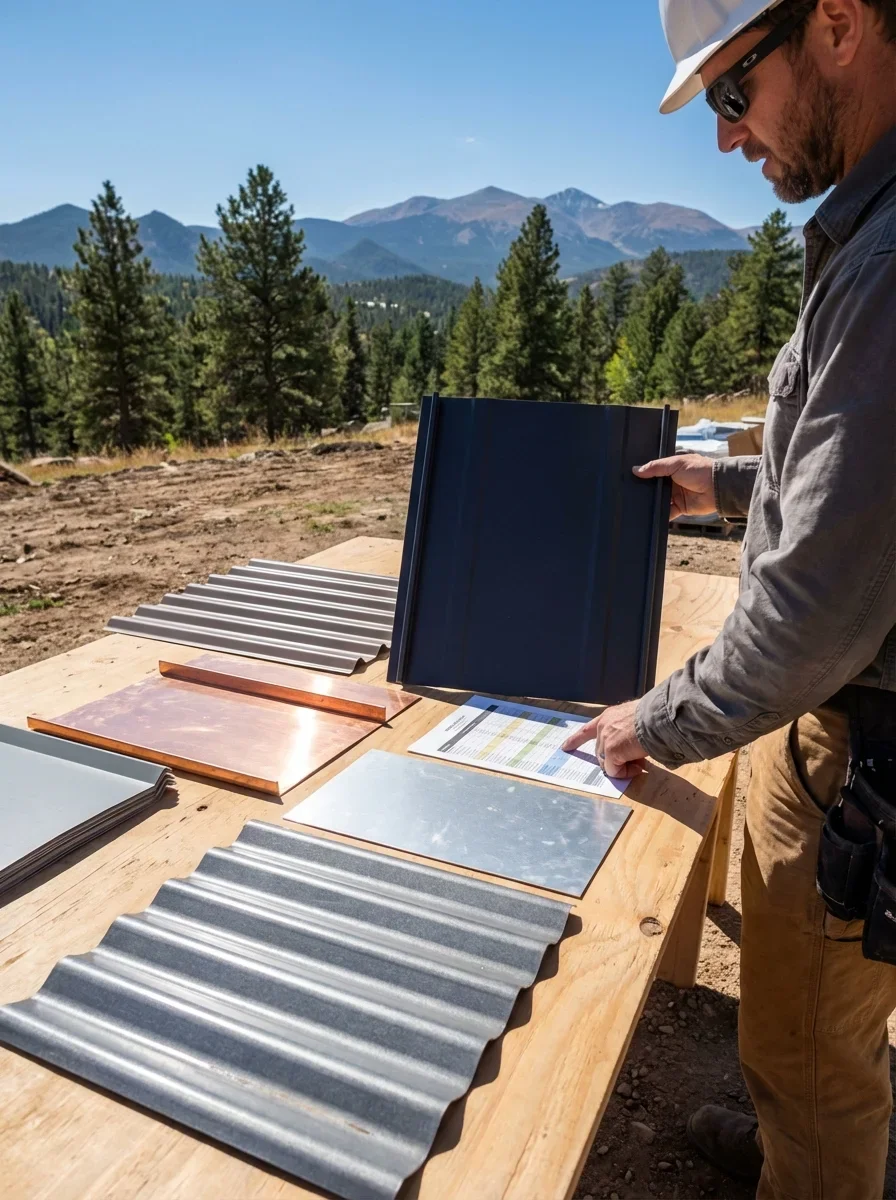
| Standing Seam | $6-$9 | $12-$16 | 50+ years | Excellent — concealed fasteners, smooth surface allows snow to slide |
| Corrugated/R-Panel | $3-$5 | $8-$12 | 30-40 years | Good — exposed fasteners create friction points, slower snow shedding |
| Metal Shingles | $5-$7 | $10-$14 | 40-50 years | Moderate — textured surface holds snow similar to asphalt |
Standing seam costs 30-40% more upfront but eliminates fastener maintenance and delivers superior weatherproofing for Colorado's freeze-thaw cycles. Corrugated metal offers the best entry-level price but requires fastener inspection and washer replacement every 10-15 years.
Key Cost Factors
Roof complexity adds $2-4/sqft in labor. Valleys, dormers, and multiple pitch changes slow installation. Simple gable roofs in Greeley or Longmont install faster than multi-level designs common in mountain properties.
Snow retention systems cost $3-$8 per linear foot installed, adding $1,500-$4,000 to projects depending on roof size and guard spacing requirements. Heat cable systems for valley ice dam prevention add $15-$25 per linear foot.
Color and finish affect both performance and price. Light colors (white, tan, light gray) reduce cooling costs in summer by reflecting UV radiation but cost $0.50-$1.50/sqft more than standard mill finish. Kynar 500/PVDF coatings offer 30-year fade warranties vs 20 years for standard SMP finishes.
Commercial vs Residential Projects
Commercial metal roofing in Thornton, Denver, and Colorado Springs typically negotiates per square (100 sqft) rather than per square foot. Expect $450-$900 per square for standing seam on commercial buildings.
Large-format projects install faster and cost less per square foot than residential work. Warehouses and retail centers with minimal penetrations are the most economical. See Commercial Roofing for project-specific estimates.
ROI and Property Value
Metal roofing recoups 85-95% of installation cost at resale in Colorado markets according to regional real estate data. Insurance premium reductions of $300-$800 annually on $400K homes offset costs over the roof's 50+ year lifespan. Energy savings from reflective coatings average $150-$350 per year in cooling costs for Front Range properties.
Compare metal economics to asphalt shingle roofing. Metal costs 2-3x more upfront but lasts 3x longer with minimal maintenance, making lifecycle costs comparable or lower.
The Metal Roof Installation Process
Metal roofing installation differs significantly from asphalt shingle work. The process takes 3-7 days for residential projects depending on roof complexity, snow retention system requirements, and whether you're doing a tear-off or overlay installation.
Structural Assessment and Permitting
Your contractor inspects roof decking for load-bearing capacity. Metal roofs weigh 1-3 lbs per square foot vs 2-4 lbs for asphalt, but snow loads in Colorado require structural verification regardless. Denver, Aurora, and Lakewood require building permits for all roof replacements. Expect 1-2 weeks for permit approval in most Front Range municipalities.
Ice barrier underlayment is required for metal roof shingles per R905.4.3.1 under Colorado's adopted 2018 IRC building codes[1]. Metal roofing cannot be installed on slopes below 3:12 pitch per IRC R905.5.6, and metal panels are not allowed in closed valleys[2].
Installation Methods
| Installation Type | Process | Best For | Typical Timeline |
|---|---|---|---|
| Tear-Off Replacement | Remove existing roof to decking, install synthetic underlayment + ice barrier, attach metal panels with concealed fasteners | Damaged decking, multiple roof layers, code compliance | 4-7 days |
| Overlay Installation | Install metal panels over existing asphalt (one layer only), saves disposal costs | Structurally sound single-layer asphalt roof, budget-conscious projects | 3-5 days |
Standing seam panels use concealed clip systems that allow thermal expansion without fastener stress. Corrugated metal uses exposed fasteners with rubber washers. Less expensive but requires maintenance as washers degrade over 15-20 years.
Snow Retention System Integration
Colorado building codes require snow retention systems in specific applications. Particularly over entryways, walkways, and adjacent lower roofs. Your contractor installs snow guards or snow rails in a calculated pattern based on roof pitch and anticipated snow loads.
Grand Junction and western slope properties have different requirements than mountain communities like Breckenridge where annual snowfall exceeds 200 inches.
Valleys require special attention for ice dam prevention. Most contractors install heat cable systems in critical areas where snowmelt refreezes.
How to Choose a Metal Roofing Contractor in Colorado
Metal roofing installation requires specialized training that most asphalt-focused contractors lack. Improper fastening patterns, inadequate thermal expansion allowances, and incorrect snow guard placement cause expensive callbacks and performance failures.
Manufacturer Certifications and Training
Ask contractors about manufacturer-specific training programs:
- Metal Roofing Alliance member contractors complete standardized installation training covering thermal movement, fastening systems, and weatherproofing details
- MBCI, Berridge, or McElroy Metal certified installers receive product-specific training on panel profiles, accessory installation, and warranty compliance
- Manufacturer warranties require certified installers — using non-certified contractors voids material warranties on most standing seam systems
Request photos of previous metal roof projects in your area. Standing seam installations should show clean, straight panel runs with no visible fasteners. Ask specifically about snow retention system experience. Incorrect guard placement causes snow avalanches or excessive snow loads.
Colorado Licensing and Insurance Requirements
Colorado has no state roofing license, but municipal requirements vary:
- Denver requires a Supervisor Certificate for roofing contractors — verify at denver.prelive.opencities.com
- General liability insurance minimum $1M per occurrence, $2M aggregate
- Workers compensation insurance for all employees (verify active coverage, not just certificates)
- Colorado Roofing Association (CRA) membership indicates industry engagement and access to updated code training
Critical Questions to Ask
- How many metal roofs have you installed in the past 24 months? (Look for 10+ residential or 3+ commercial projects)
- Which metal roofing systems are you certified to install? (Specific manufacturer names, not just "we install metal")
- How do you calculate snow guard placement for my roof pitch and local snow loads? (Should reference engineering tables or manufacturer guidelines, not guesswork)
- What's included in your workmanship warranty? (Minimum 10 years labor, 2 years leak-free guarantee)
- Will you handle all permit applications and inspections? (Should be included in contract price)
- Do you carry Colorado workers comp insurance? (Verify with certificate, check effective dates)
Red Flags
- Pressure to overlay metal without inspecting decking condition
- No mention of ice barrier underlayment requirements per IRC R905.4.3.1[1]
- "We install metal the same way we install shingles" — completely different fastening systems and thermal considerations
- Unwillingness to provide manufacturer certifications or previous project references
Direct-to-deck metal shingles on residential homes don't require mid-roof inspections in some Colorado jurisdictions like Pikes Peak Regional Building Department[3]. Reputable contractors still offer inspection access for quality assurance.
Compare qualified metal roofing contractors in your area using our directory. Filter by manufacturer certifications, CRA membership, and verified project portfolios to find installers who understand Colorado's unique climate demands.
Frequently Asked Questions
- Jefferson County Building Safety. "Requirements for Roofing 2018 IRC Building Codes." https://www.jeffco.us/DocumentCenter/View/1487/Requirements-for-Roofing-2018-IRC-Building-Codes-PDF. Accessed April 08, 2026.
- City and County of Denver Community Planning and Development. "Roofing Guide - Home." https://denver.prelive.opencities.com/files/assets/public/v/4/community-planning-and-development/documents/ds/inspections/roofing_guidelines_and_checklist.pdf. Accessed April 08, 2026.
- Pikes Peak Regional Building Department. "Roofing Guidelines - Pikes Peak REGIONAL Building Department." https://www.pprbd.org/File/ByAlias/ReroofGuidelines. Accessed April 08, 2026.
Related Articles
Need Help With Your Project?
Join 500+ homeowners we've helped